Acute inflammatory phase
This phase includes inflamed papules, pustules and comedones. Prioritize not increasing new inflammation and scarring.
Key ObjectivesTreatment for clogged pores, inflammation and sebum
Existing acne and remaining traces.
We will consider the purpose of treatment separately.
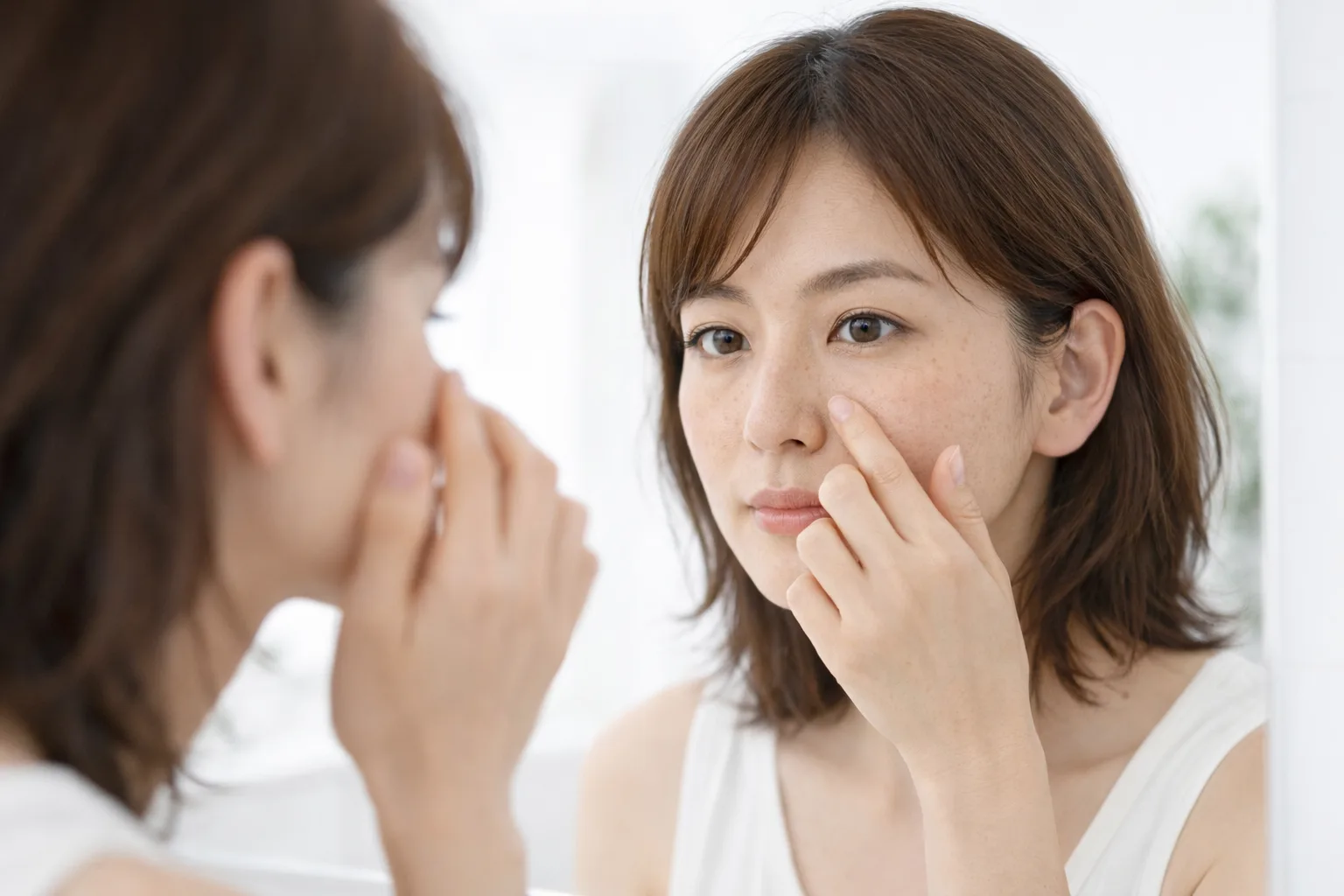
Active acne, redness, pigmentation and depressed scars do not respond to the same treatment. We assess each concern, set priorities and propose a plan using treatment under Japan's public health insurance and self-pay options where appropriate.

Recurring breakouts, persistent redness and shadows from depressed scars require different priorities.
Repeated acne in the same place
Redness and brown marks remain even if the acne settles
The uneven texture of the cheeks and temples are prominent in the light
I don't know what to choose next, even if I continue the procedure
Preventing new acne and treating residual marks are separate goals. At our clinic, we build the treatment plan in the order best suited to the current skin condition.
This phase includes inflamed papules, pustules and comedones. Prioritize not increasing new inflammation and scarring.
Key ObjectivesTreatment for clogged pores, inflammation and sebumMicrocomedones may remain even after visible inflammation subsides. Evaluate the residual marks while suppressing the recurrence.
Key ObjectivesPrevention of recurrence, redness, pigmentation, and unevenness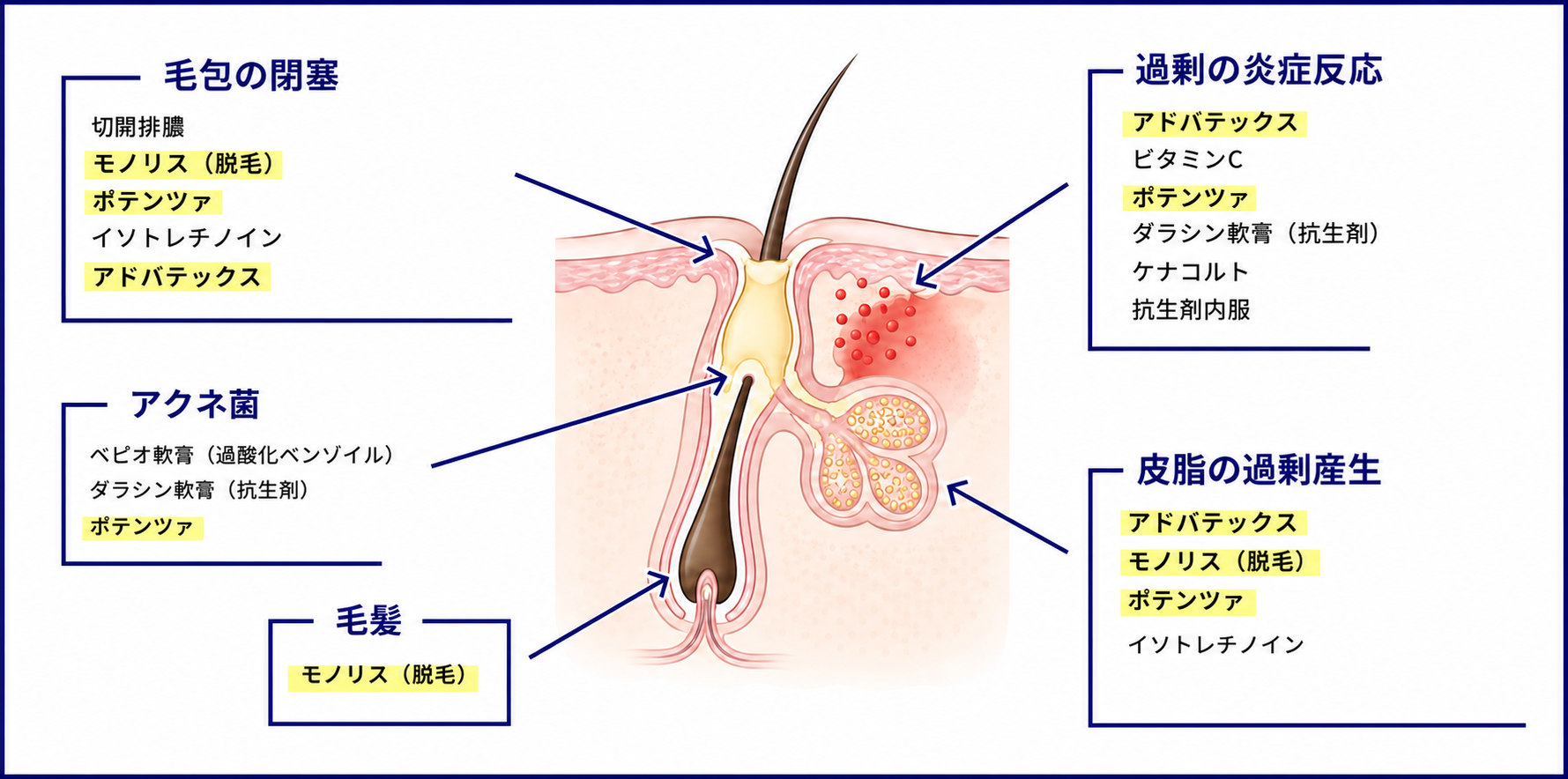
Several scar types often coexist. As well as treating surface shapes, there are also ways to treat deep dents and adhesions locally.
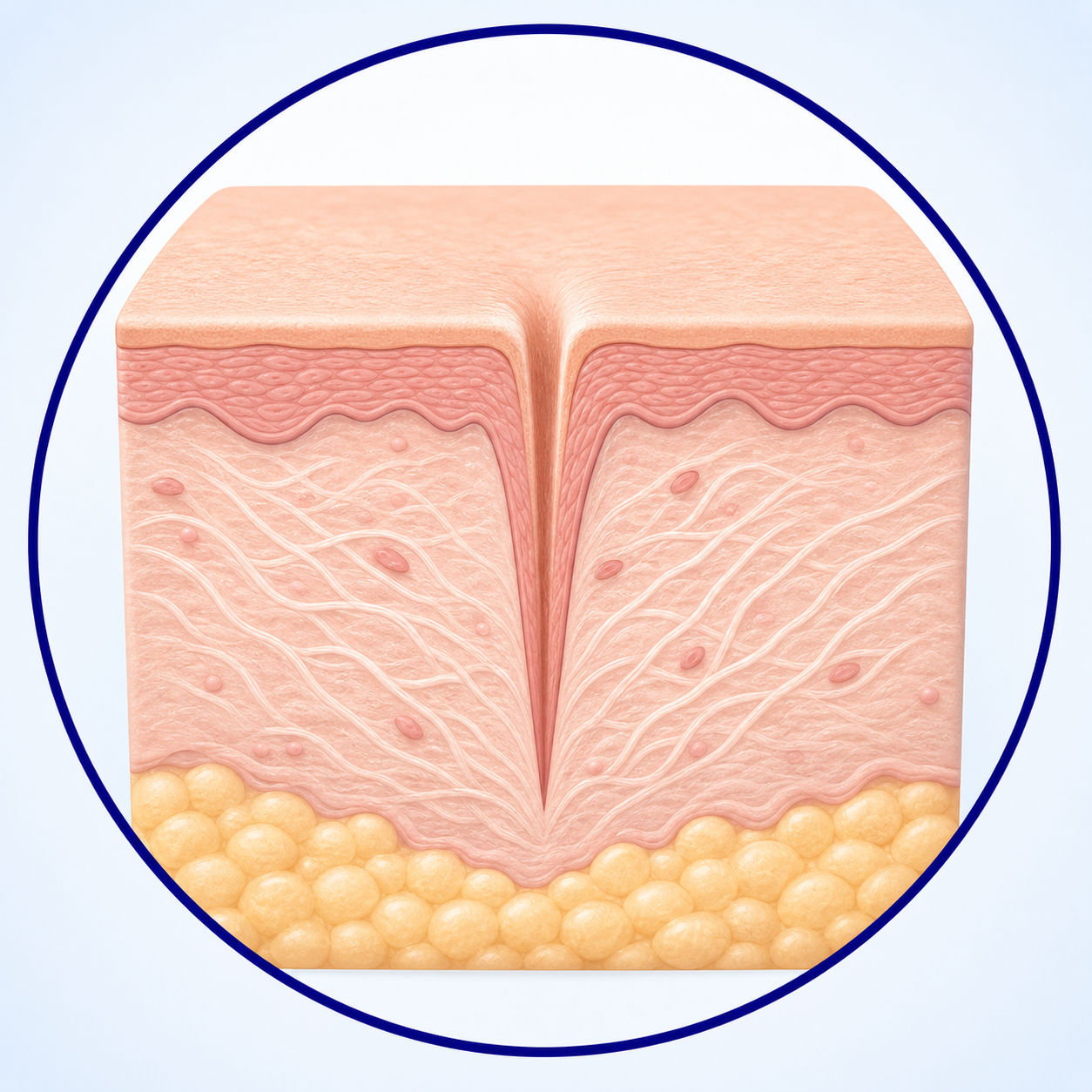
These scars have a narrow opening and extend deeply into the skin.
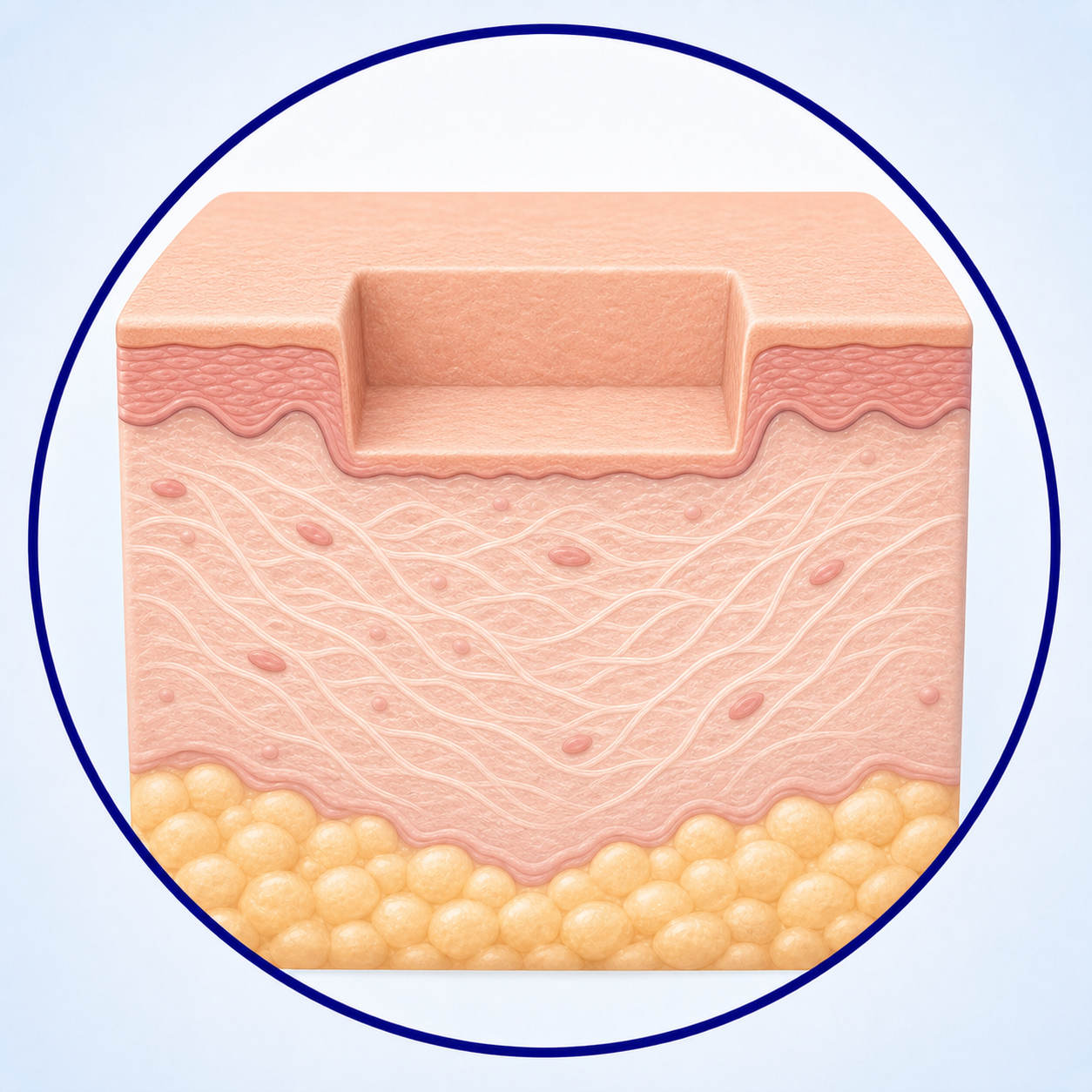
These scars have relatively well-defined edges and a flat base.
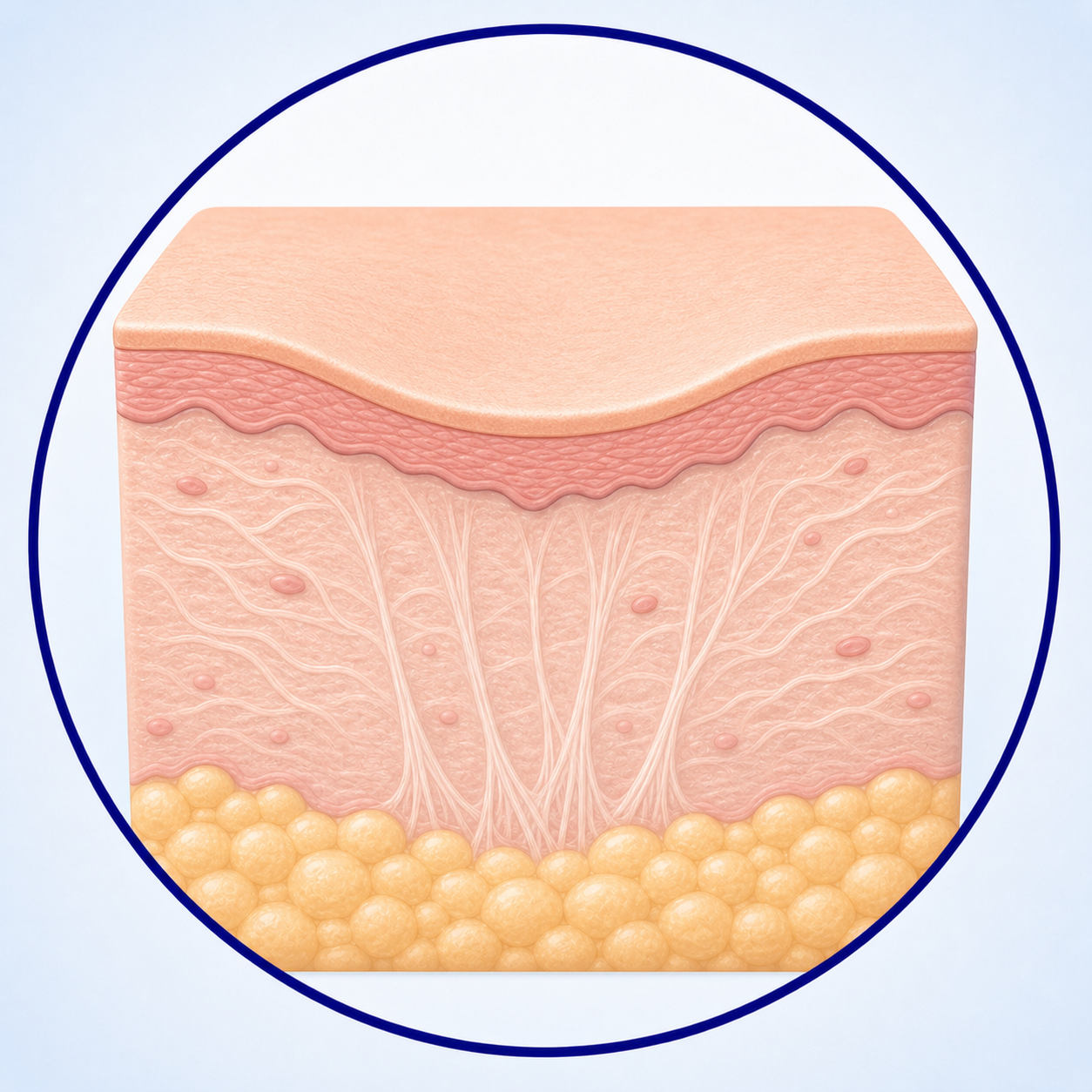
These scars create an undulating contour because of fibrous tethering beneath the skin.
Prioritize not increasing new inflammation and scarring.
Continue treatment after inflammation settles to reduce recurrent comedones.
Separate vascular redness and post-inflammatory pigmentation.
Choose a treatment that fits the shape, depth, and extent of the dent.
Rather than repeating one procedure automatically, we reassess the remaining concerns and set the next treatment goal.
We assess more than existing breakouts. We also consider excess oil, clogged pores, and dryness or redness during treatment when evaluating your skin.
“My acne is improving,
but daytime oiliness still bothers me.”
“My pores still feel rough.”
“I want to continue my topical treatment,
but the redness and dryness are uncomfortable.”
For these concerns, we review the use of acne medication together with daily skin care. ZO Skin Health retinol products are one option we incorporate into home care.
Retinol is a form of vitamin A involved in skin renewal.
Alongside skin texture and smoothness, we consider research on sebum, follicular keratinization and inflammation.
A study applying retinol to human skin found increases in epidermal thickness and expression of proteins involved in vitamin A activity. It demonstrated that retinol acts on the epidermis.
This was a short study using occluded application to buttock skin; it did not directly assess clogged facial pores.
Study by Kang et al. (1995)In a study of 43 acne-prone women using a product containing 0.03% retinol for four weeks, sebum levels, whiteheads and blackheads decreased compared with baseline.
There was no retinol-free comparison group, and some participants used a formulation containing polylysine. The study did not test higher concentrations or ZO Skin Health products.
Study by Do et al. (2026)A laboratory study using cultured mouse-derived cells reported that retinol suppressed expression of substances involved in inflammatory responses.
This result alone does not establish an anti-inflammatory effect when cosmetic retinol is applied to human skin.
Study by Kim et al. (2013)These studies explain our interest in retinol. They do not guarantee that individual ZO Skin Health products suppress sebum production, have anti-inflammatory effects or treat acne.
Adapalene improves clogged pores. Bepio is used for acne through its antibacterial action against C. acnes and its ability to improve pore blockage. We use these medications according to the condition of the acne.
Reference: Japanese Dermatological Association: What is adapalene? (Japanese) / Maruho: Information for Bepio users (Japanese)
We also review daytime oiliness, rough texture and dryness when adjusting home care. Combining medication and skin care to suit your skin condition is central to our approach.
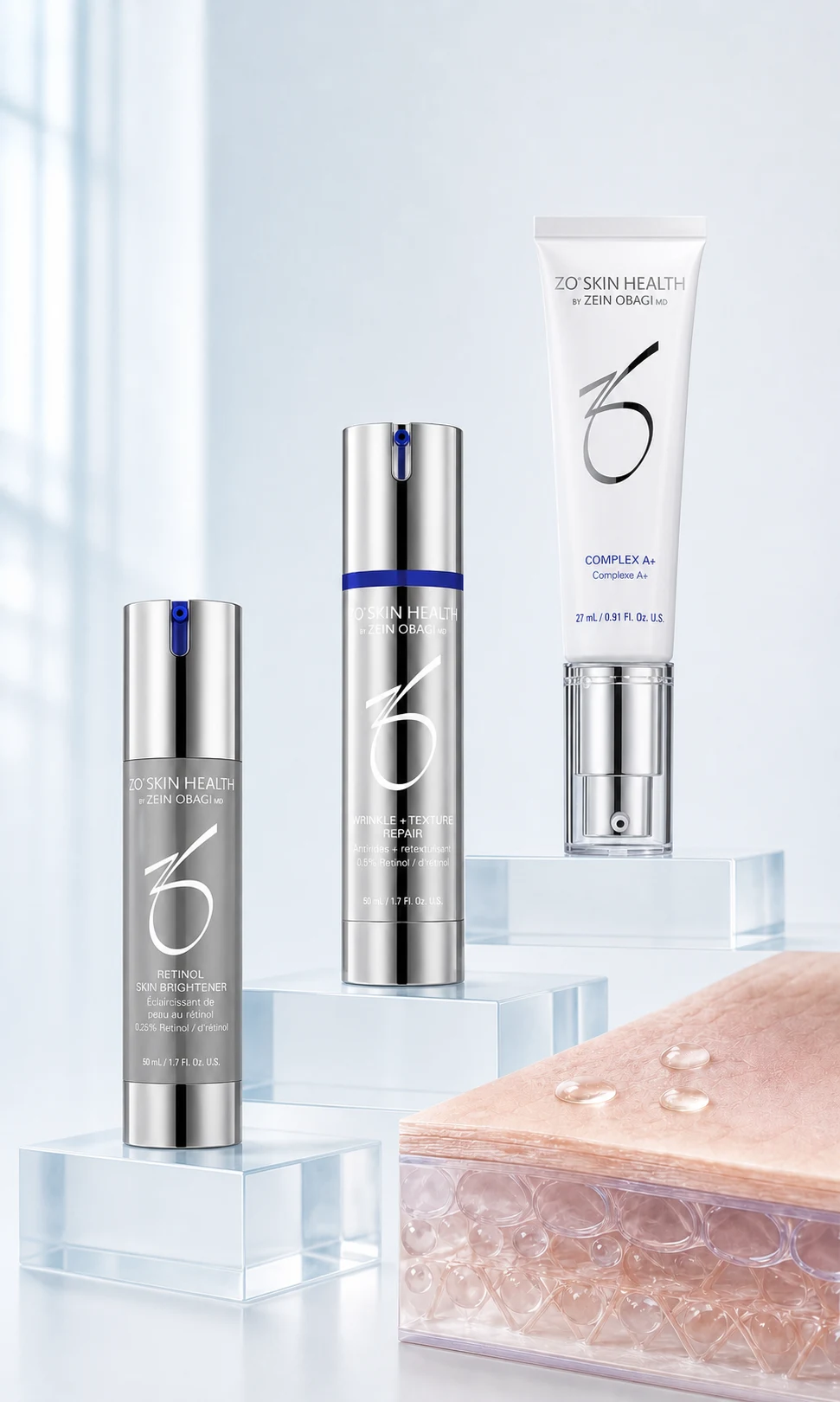
We focus on how retinol is formulated, its combination with moisturizing and skin-conditioning ingredients, and the available strengths and formulations.
For example, Retinol Skin Brightener RDS 0.3 encapsulates retinol in proprietary liposomes, with attention to stability and how the product feels on the skin. It also contains a vitamin C derivative and moisturizing and skin-conditioning ingredients. We consider the complete formulation, not only the concentration.
Japan official site: Retinol Skin Brightener RDS 0.3
For first-time users, we select a suitable product from different strengths and formulations, then adjust frequency and concentration gradually while observing the skin's response. Increasing the concentration is not a goal in itself.
Japan official site: Retinol Skin Brightener 0.5
Explore ZO Skin Health products, use and pricingEven a carefully designed formulation can cause redness, dryness, peeling or stinging.
Research on inflammation does not mean that irritation will not occur during use.
At our clinic, we begin with a small amount and low frequency, then adjust according to the skin's condition. Check the instructions for the specific product and follow the method explained by our clinic.
We assess the skin's response and adjust the amount, frequency and concentration gradually. We also review other skin care being used, including scrubs and peels.
Keep the skin hydrated and protect it from UV exposure with sunscreen and other daytime measures. If strong irritation occurs, do not force continued use; contact our clinic.
The degree of peeling is not a measure of effectiveness.
We consider sebum and pore concerns while choosing sustainable care that also accounts for irritation.
Reference: ZO Skin Health official: Retinol for beginners (English)
For irritation, use during pregnancy or breastfeeding, medication combinations and pauses around procedures, please see precautions and frequently asked questions.
Based on the treatment under Japan's public health insurance, we will combine the self-pay treatment necessary for redness, sebum, and uneven texture.
Topical or oral medication may be used for comedonal and inflammatory acne according to its severity. It is a foundation for not increasing new acne and scarring from the acute inflammatory phase to the maintenance phase.
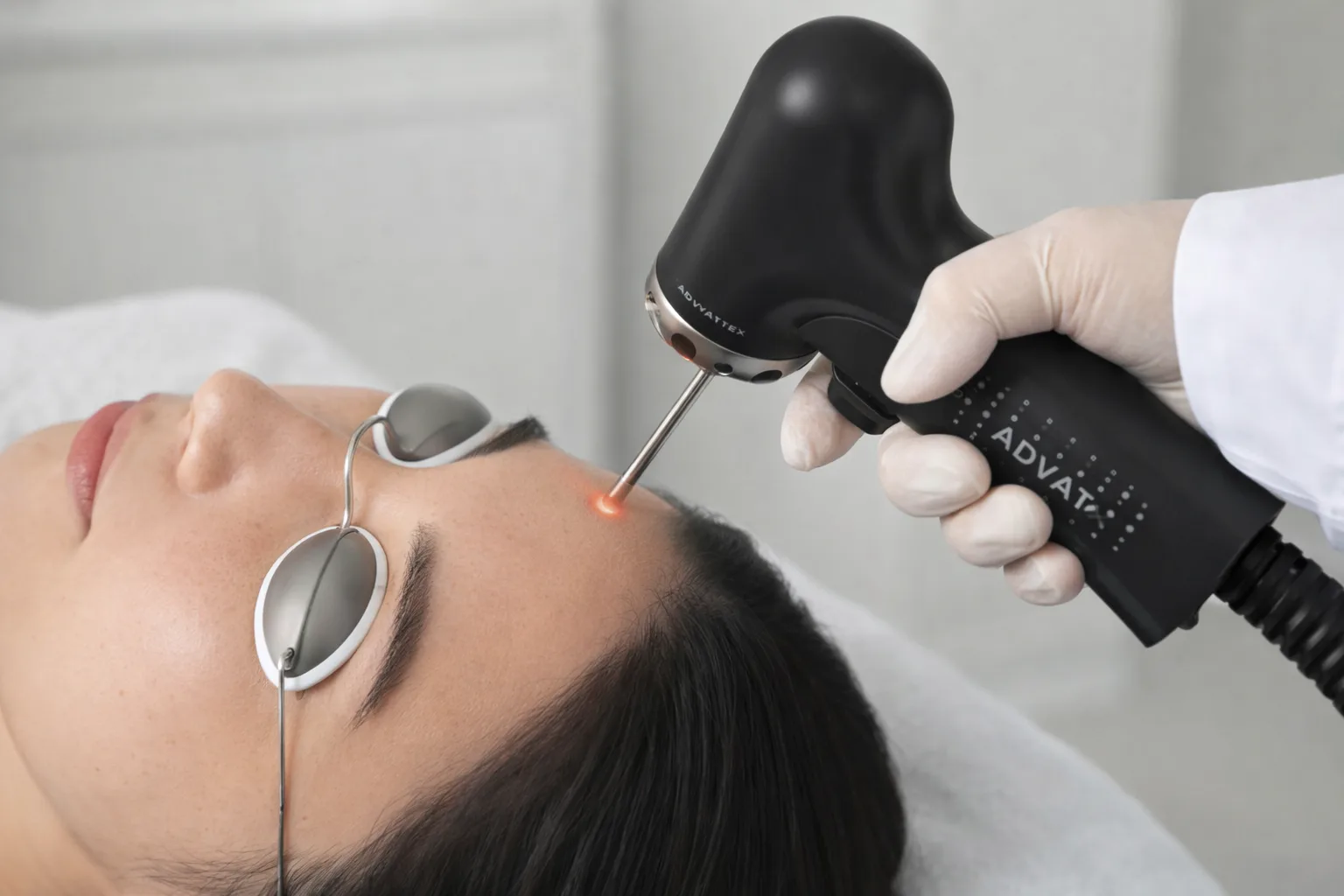
ADVATx uses 589 nm and 1319 nm wavelengths and may be considered when inflammatory acne, post-acne redness and excess sebum coexist.
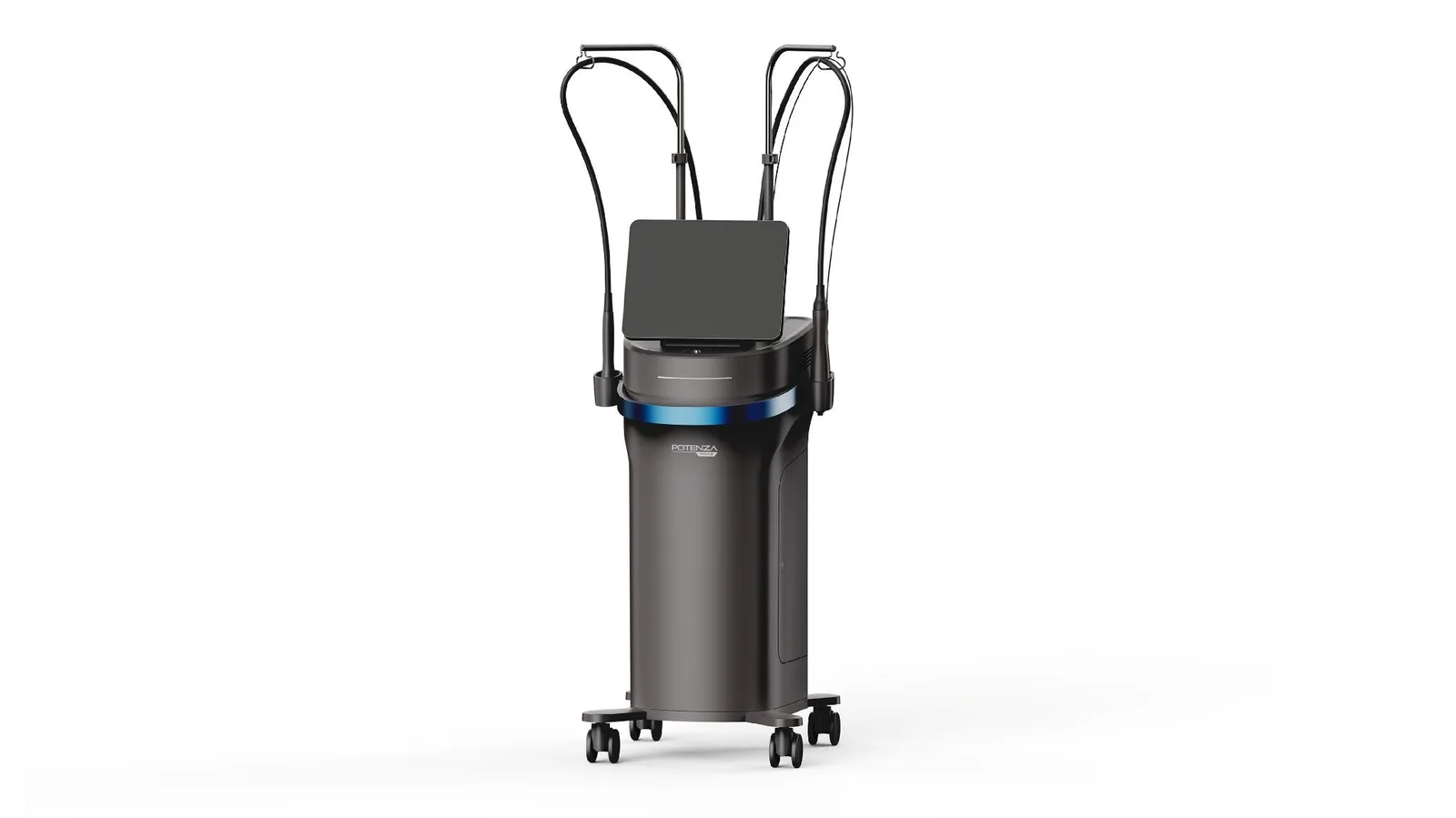
Microneedle radiofrequency treats a broader area of skin. For acne scars, adjust the tip, depth, and medication delivery to match the depth and extent of the uneven texture.
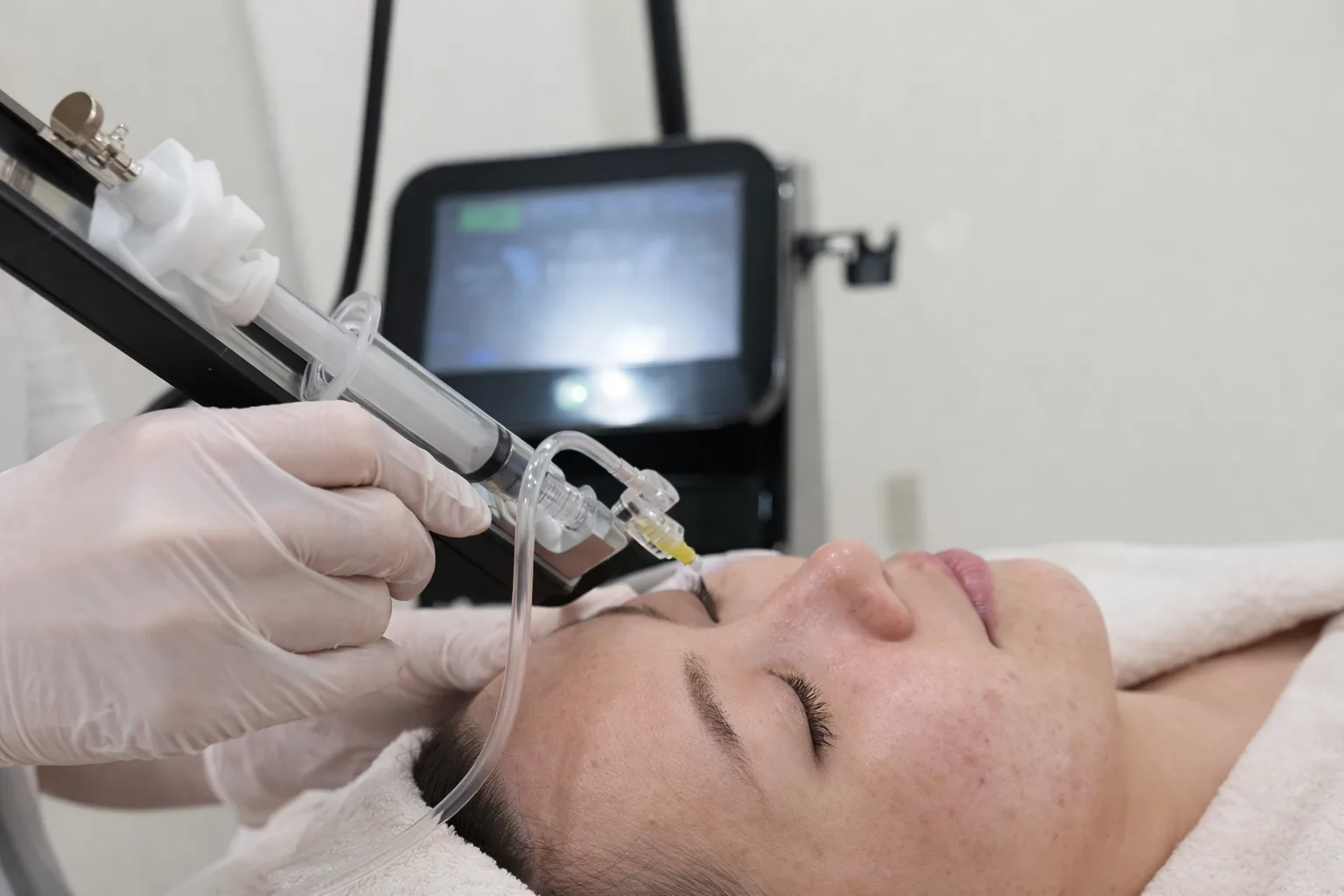
TriFill Pro combines carbon-dioxide-assisted micro-subcision with medication delivery. It is a candidate when localized depressions, retractions, and adhesions are prominent.
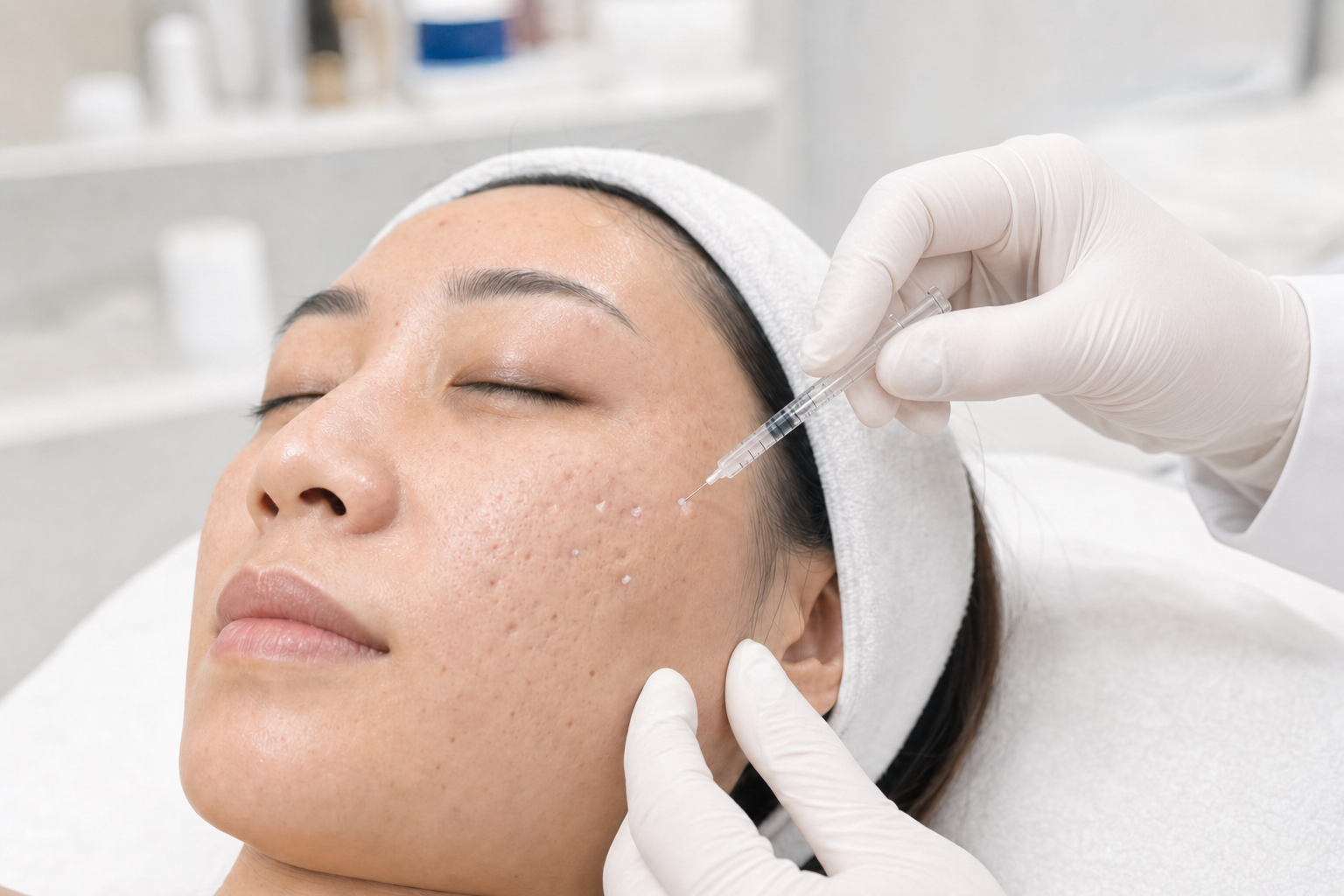
TCA is applied precisely to small, deep scars such as ice-pick and small boxcar scars. It is a different local treatment from peeling to a wide surface.
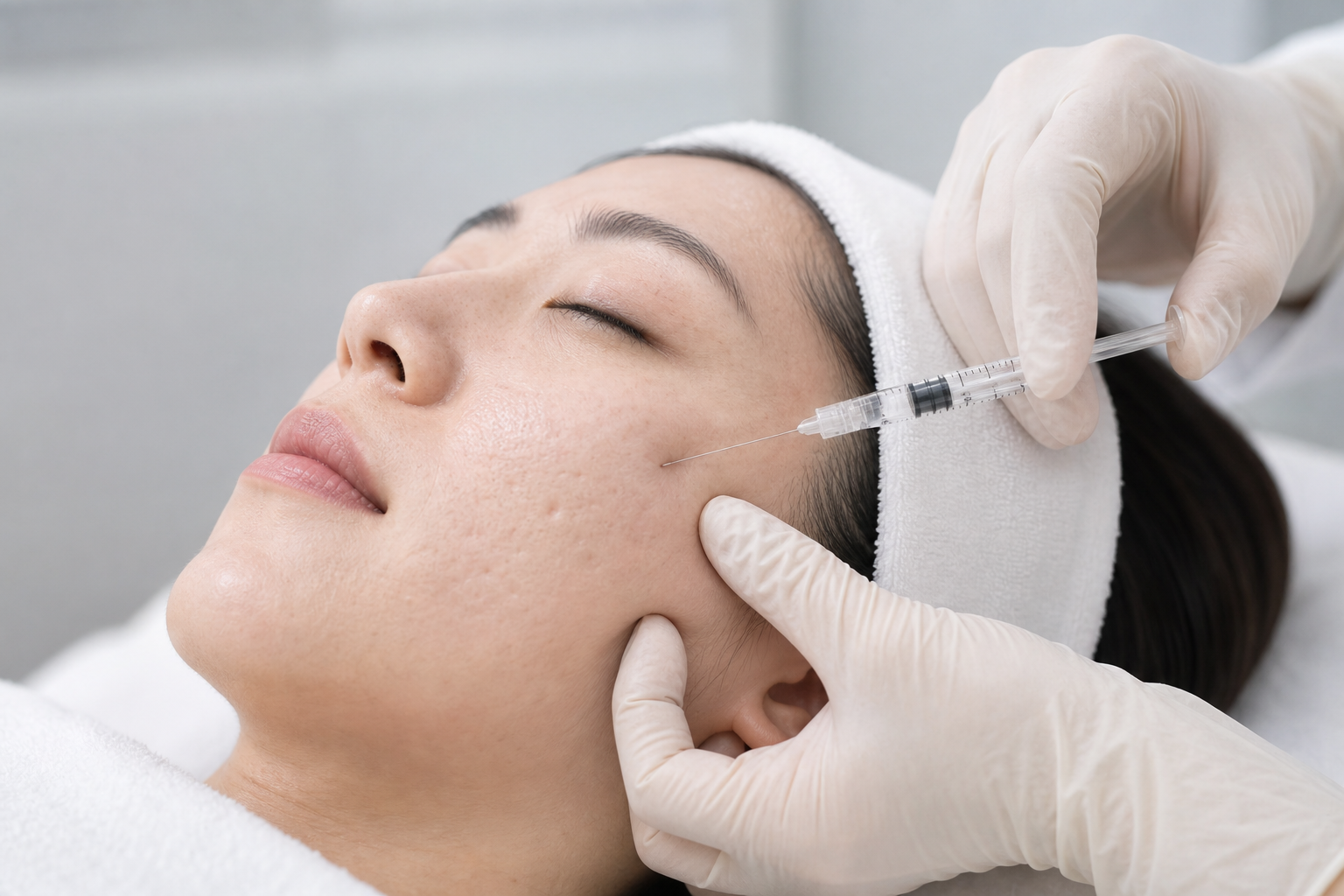
Release fibrous adhesions beneath tethered scars, such as rolling forms. Depending on the depth of the dent, the medication may be added topically.
Not sure where to start?
We will separate the existing acne from the remaining scars and guide you in order of priority.
We distinguish comedonal acne, inflammatory acne, redness, pigmentation and depressed scars. If new acne persists, prioritize the management of inflammation.
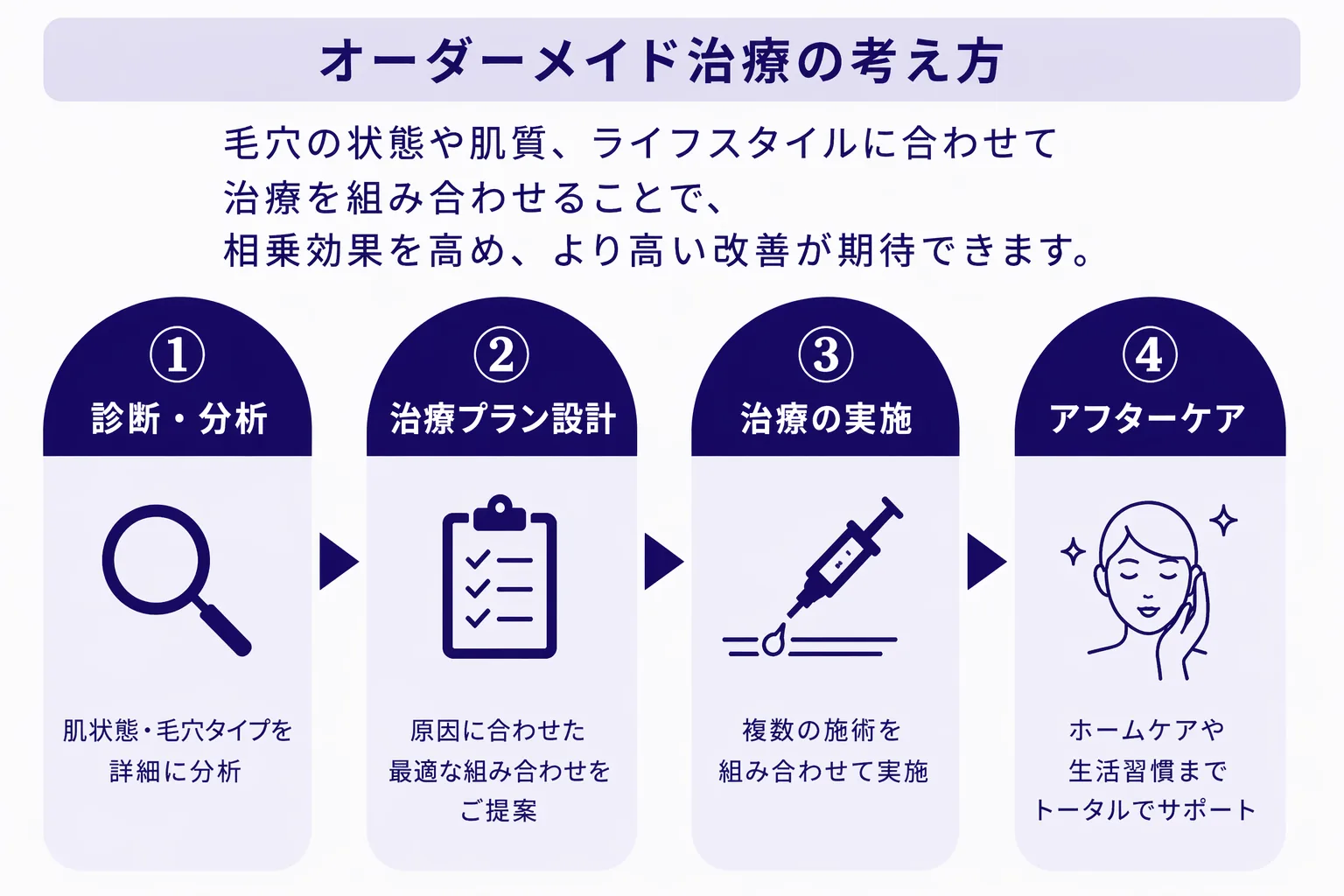
Ice-pick, boxcar and rolling scars require different approaches. Separate the roles of surface treatment and local treatment.
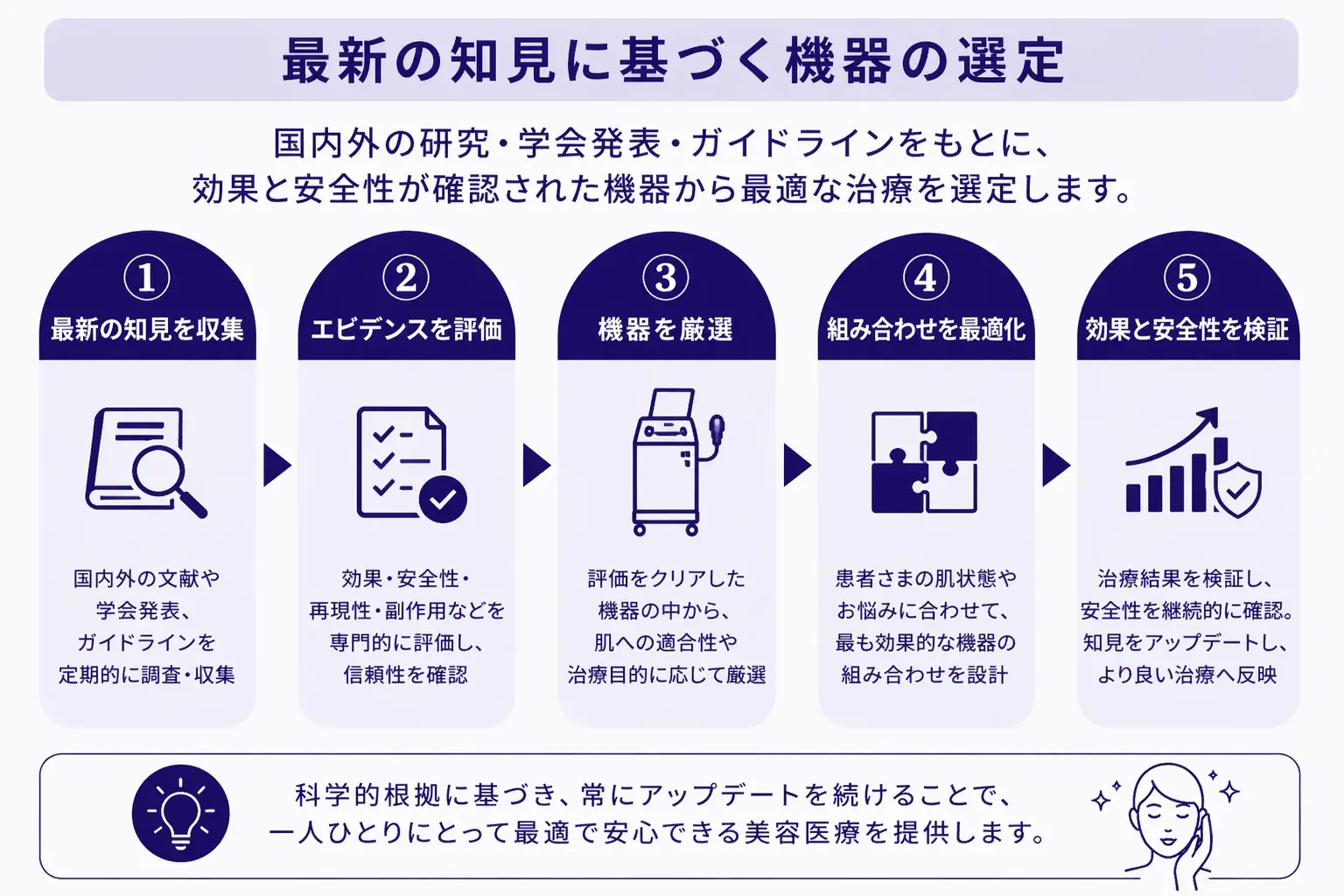
Adjust the order and combination of treatments by comparing photos of the same condition to see if redness or shadows from depressed scars remain.
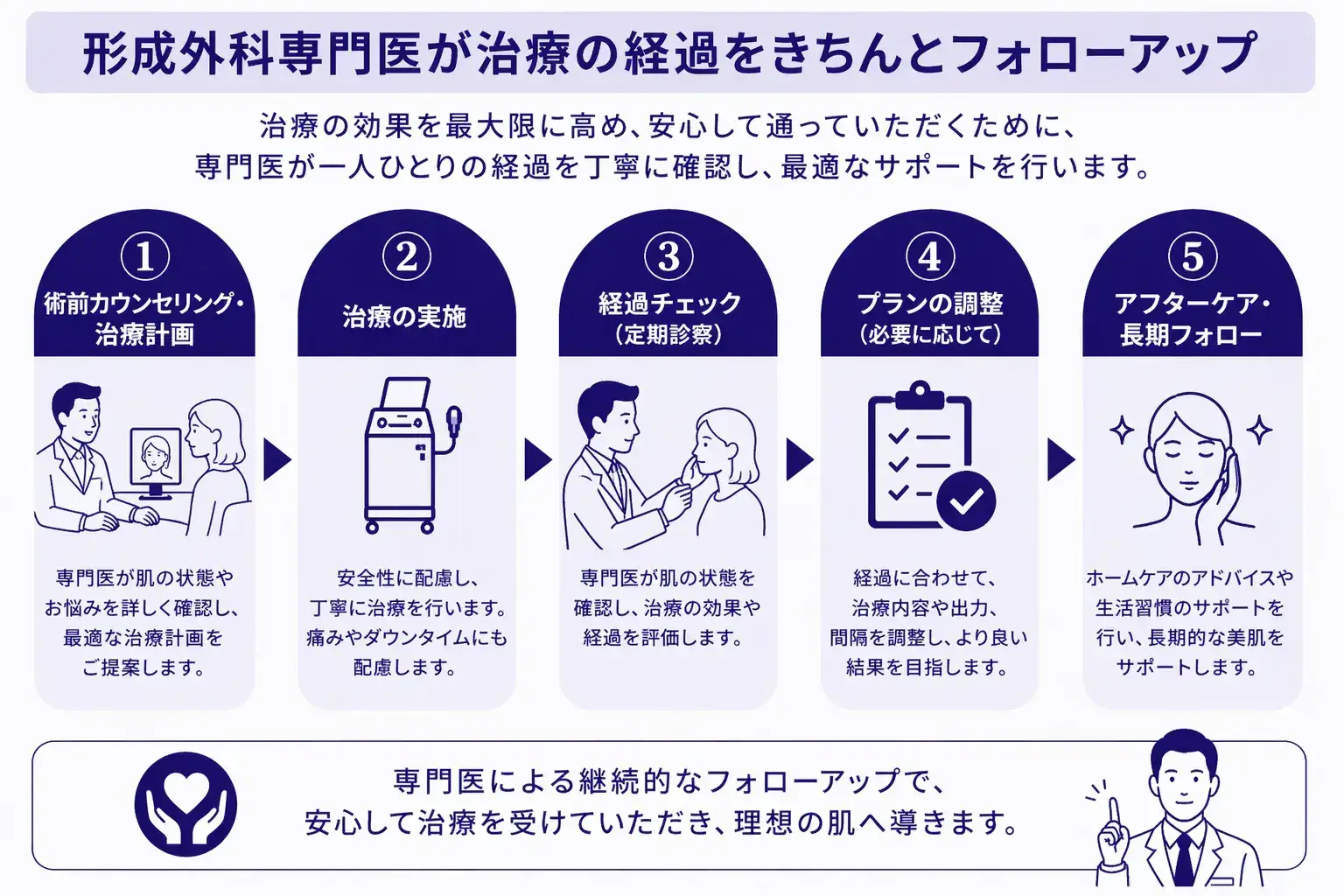
From cases where inflammation and redness have been adjusted first, to complex treatments tailored to the type of dent, you can learn more in our Japanese-language clinical articles.
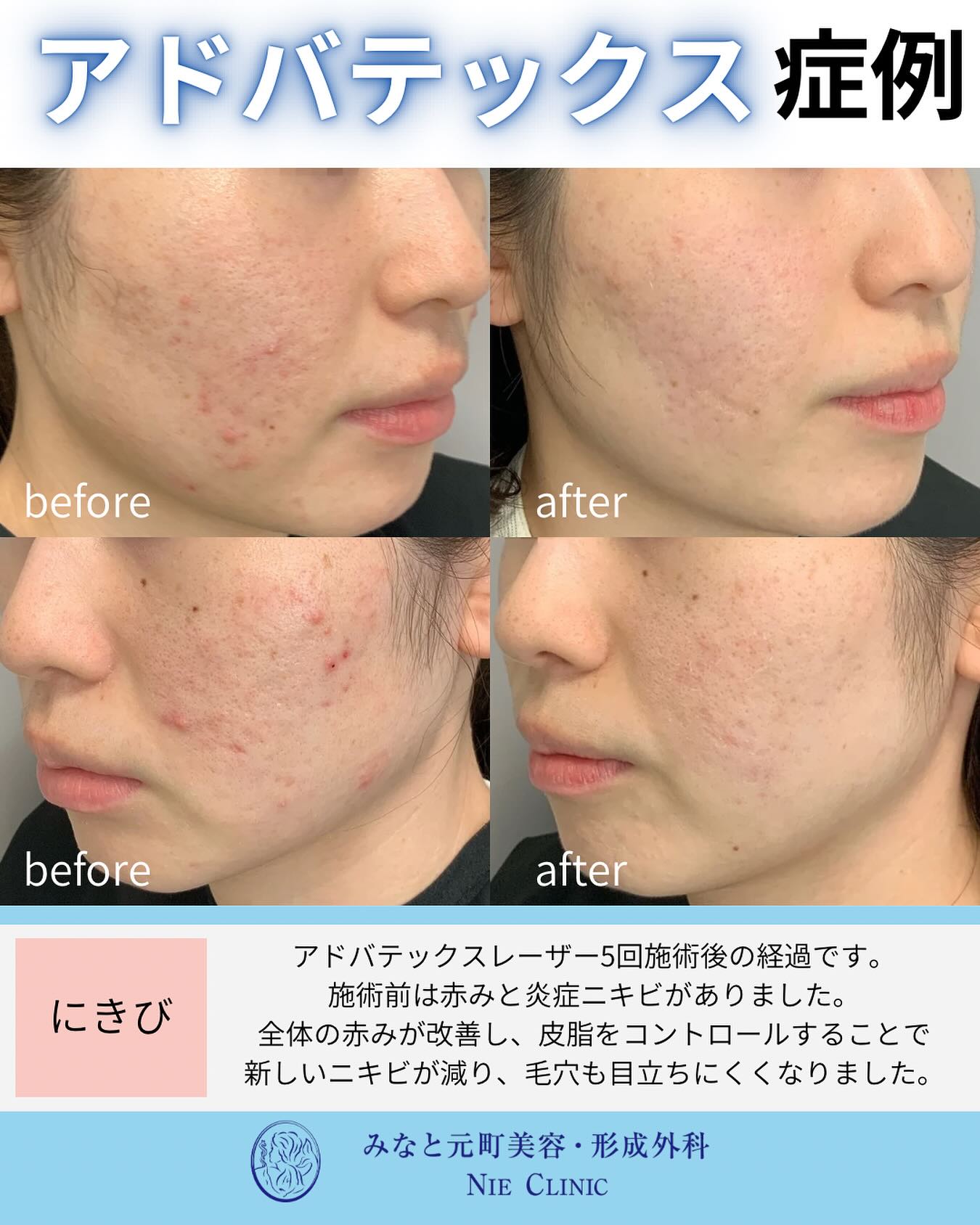
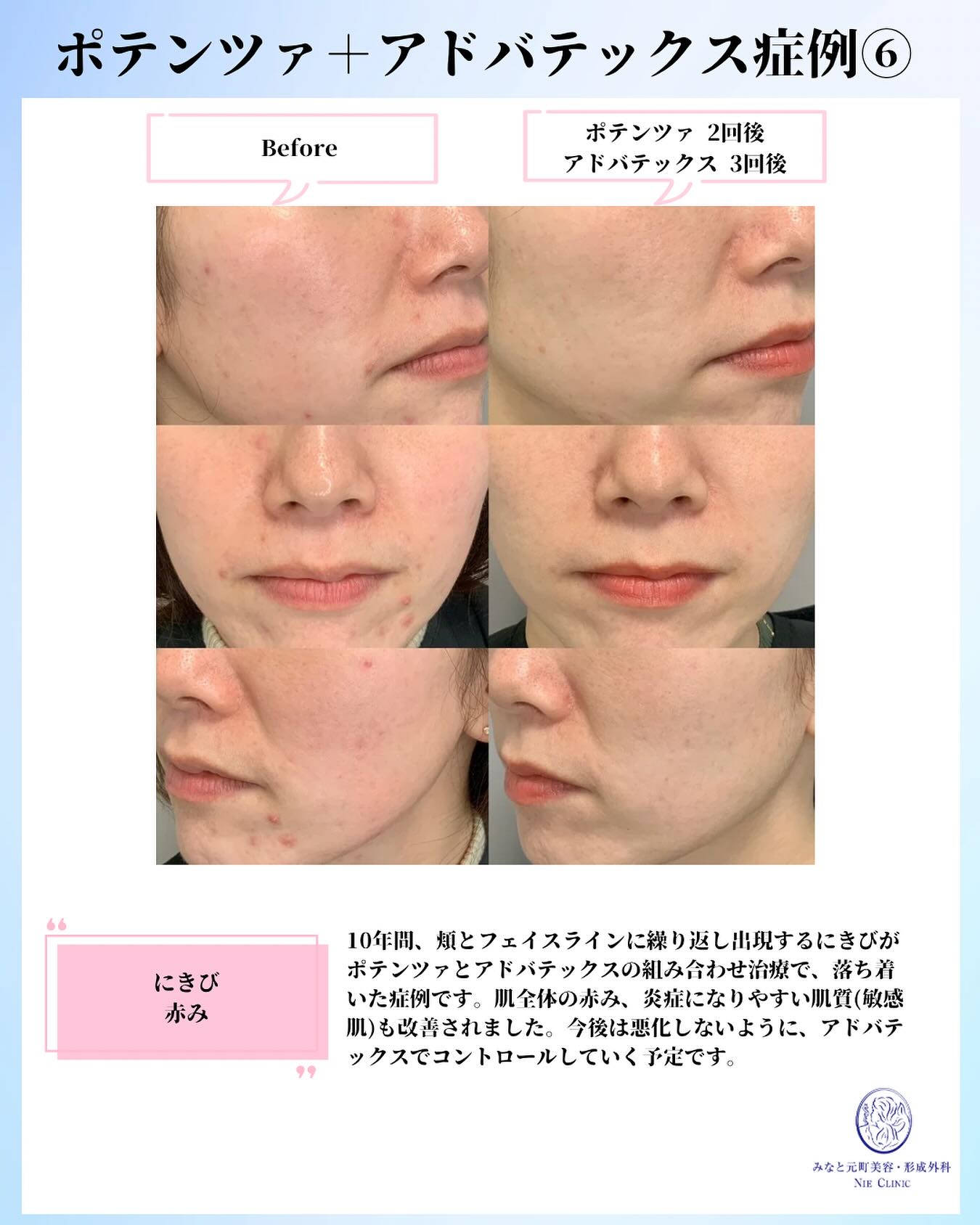
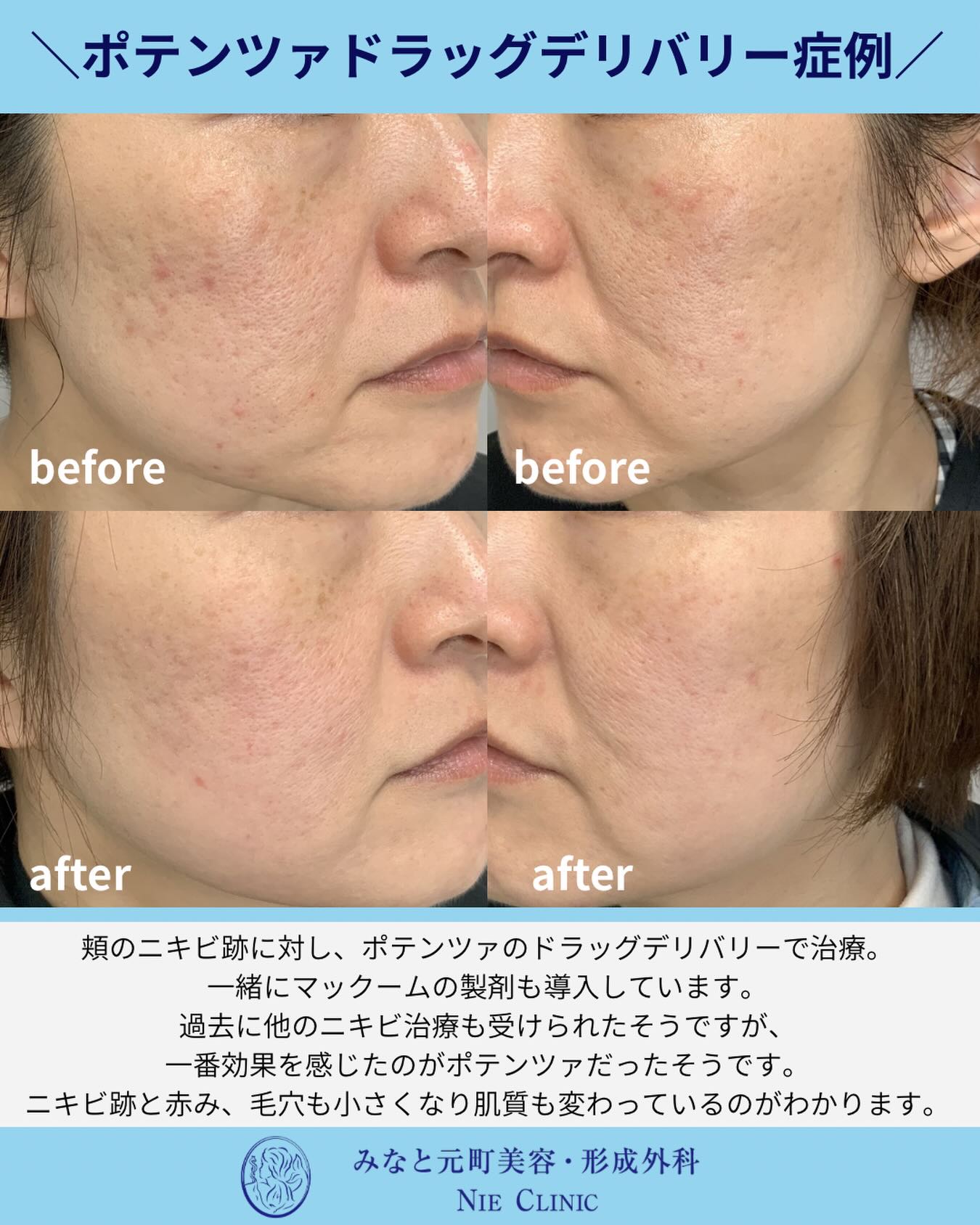
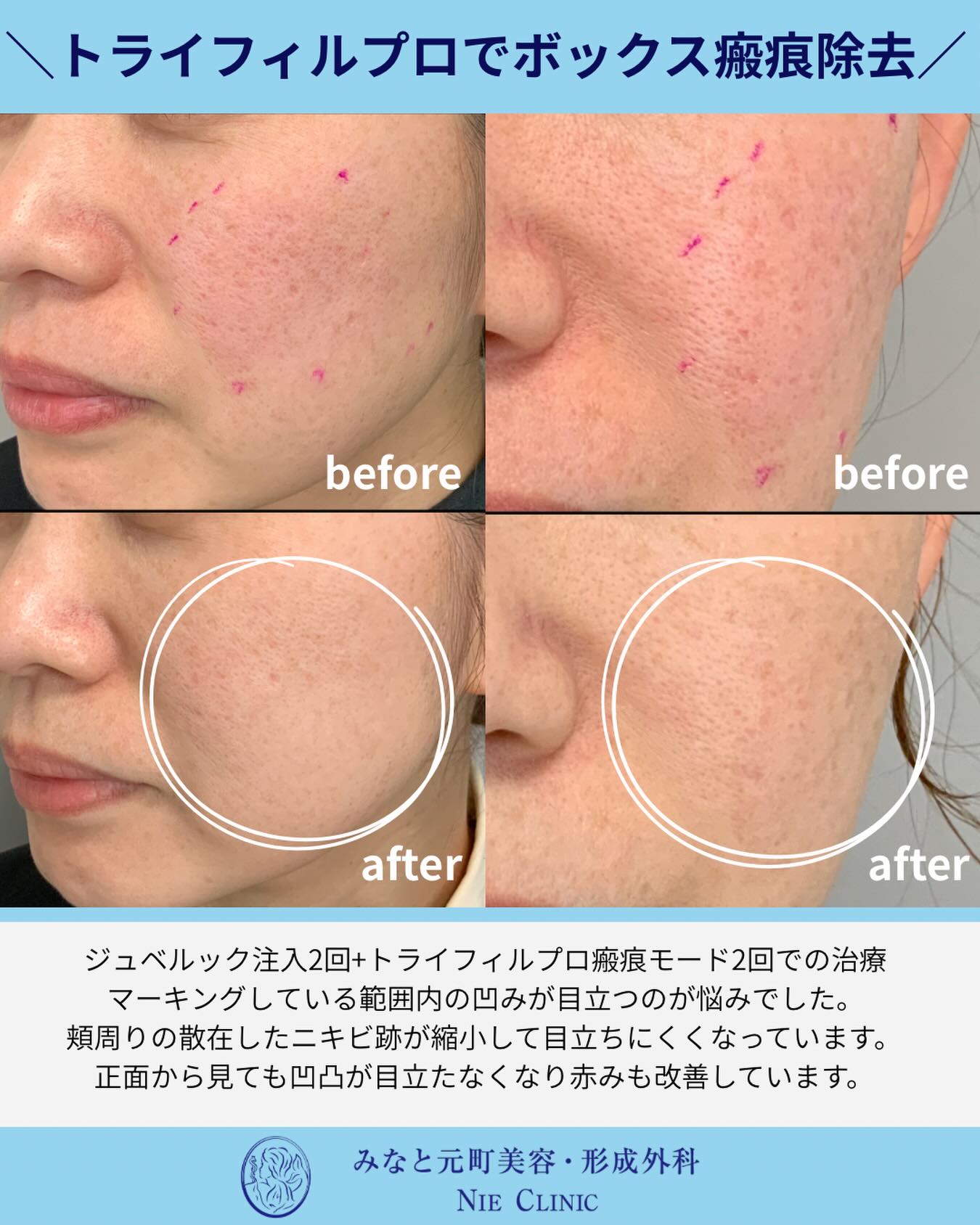
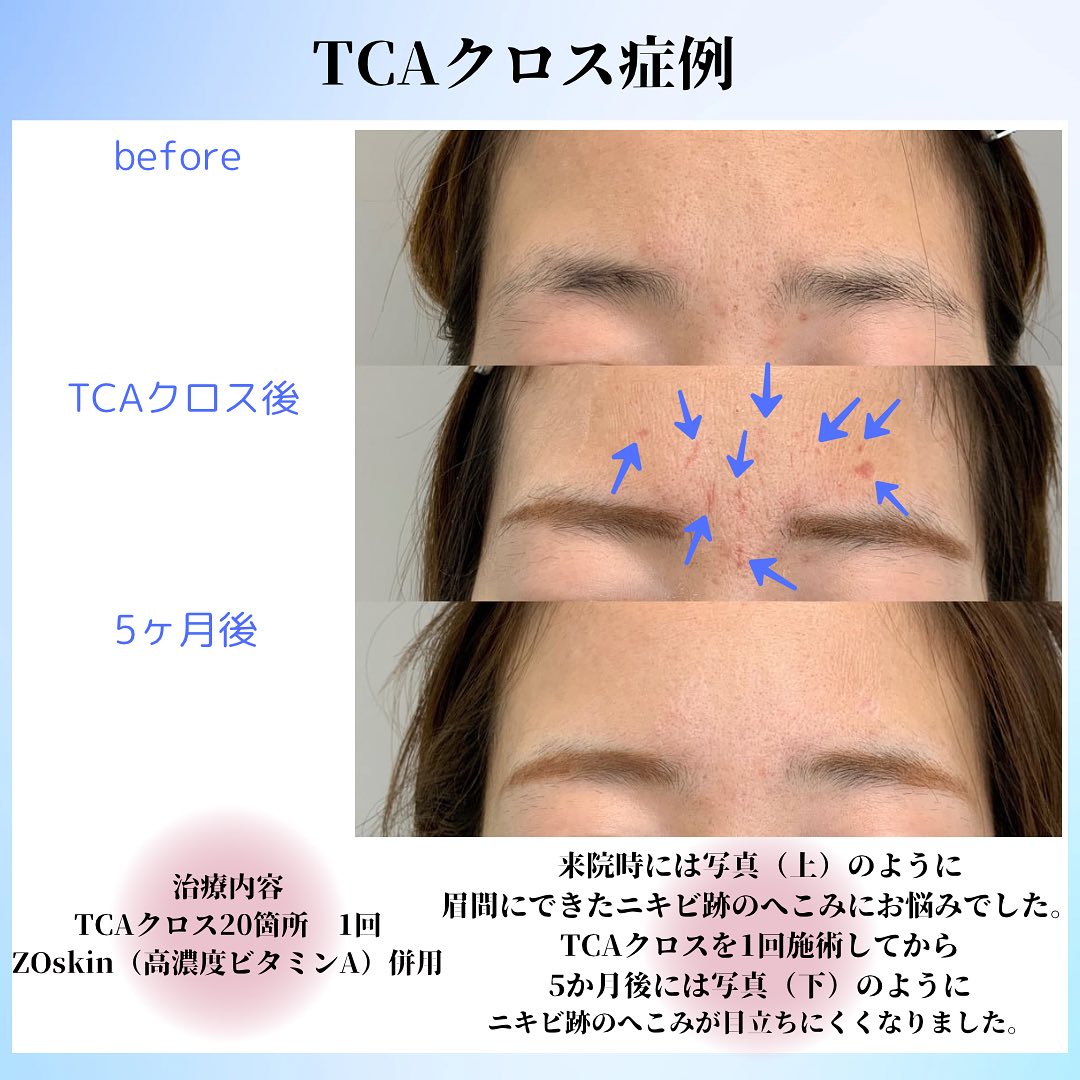
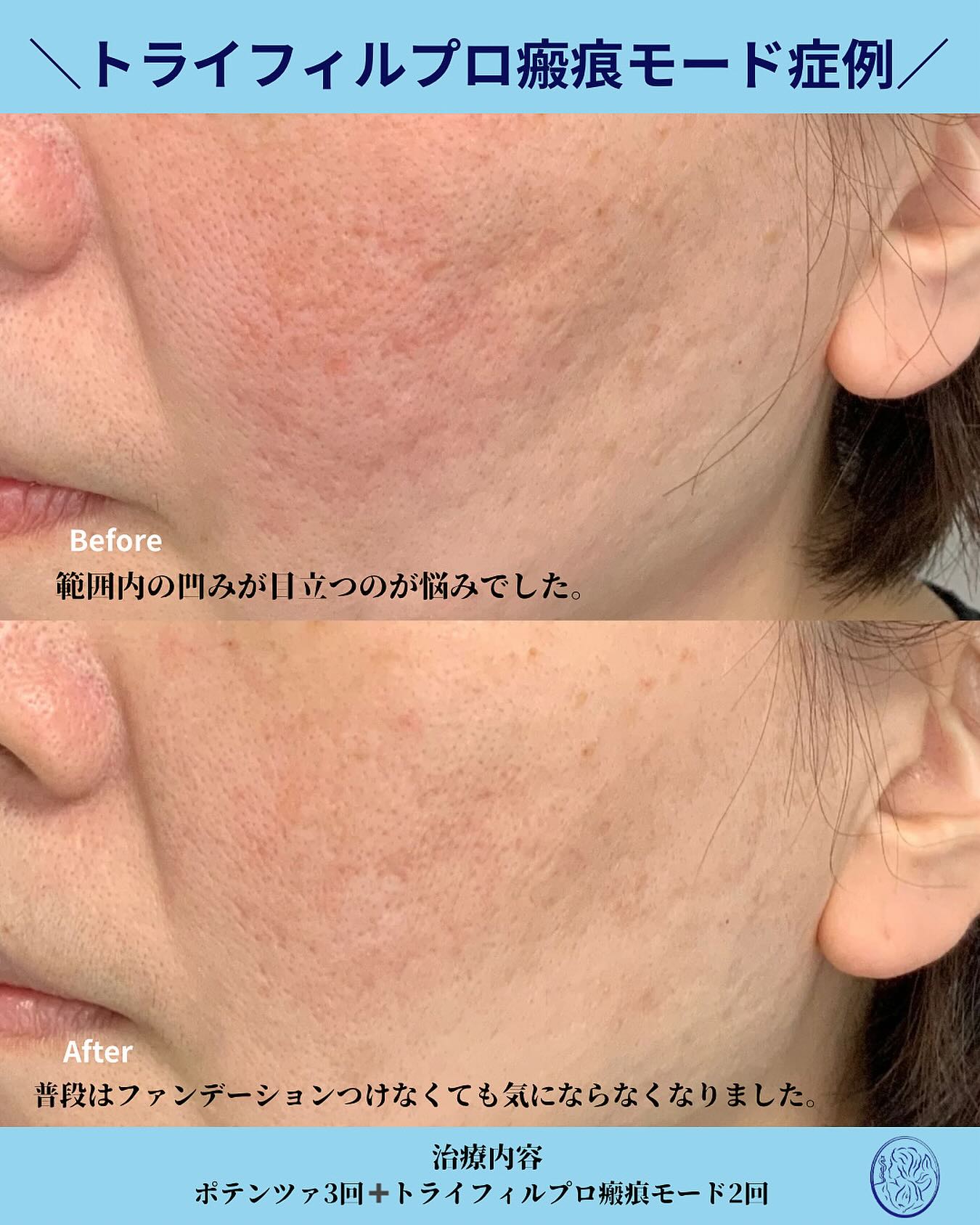
* Case photos are not a guarantee of effectiveness. The details of the treatment, the number of times, the cost, the main risks, and the shooting time are described in the article linked to each link. Treatment results, healing period, and side effects vary from person to person.
Redness, swelling, pain, punctate bleeding, bruising, dryness, roughness, crusting, post-inflammatory pigmentation, etc. may occur.
Irritating pain, white changes, redness, swelling, scabs, pigmentation, loss of pigmentation, rare infections, chemical burns, enlarged dents, worsening scars, etc.
May include swelling, pain, bruising, infections, lumps, and delayed inflammatory reactions.
Out-of-pocket procedures are not covered by public health insurance. Unapproved medical devices and drugs to be used, safety information, and cases that are not covered by the relief system will be explained on each treatment page and at the time of diagnosis.
Redness, dryness, peeling, stinging, itching or dermatitis may occur. Do not judge effectiveness by the strength of the reaction. Stop use and contact our clinic if you develop severe pain, swelling, eczema, blisters or skin breakdown, or if symptoms persist despite a pause.
Avoid retinol products during pregnancy or when planning pregnancy. Consult us beforehand if you are breastfeeding, have dermatitis or rosacea, or use acne medication or other prescription products. Around laser treatments or peels, follow the pause period specified by our clinic.
Prices are subject to change. Please check the current official price list before booking.
If active acne persists, priority may be given to the management of inflammation, followed by treatment for redness, pigmentation, and uneven texture. Depending on the condition, it may be treated in parallel.
Dented acne scars can be divided into ice pick, box car, rolling, etc. In practice, multiple scar types may be mixed.
Consider POTENZA PRIME for surface uneven texture and pores throughout the cheeks, and TriFill Pro for scars with obvious adhesions and localized retraction.
It may be used for small, deep dents, such as ice pick shapes or small box car shapes. Risks include pigmentation, loss of pigmentation, and worsening of scarring.
It depends on the treatment. Lasers can cause redness and dryness, needles and high-frequency treatments can cause swelling, punctate bleeding, bruising, and TCA CROSS can cause punctate scabs and pigmentation.
We can consult with you. For comedonal acne and inflammatory acne, we will treat it based on topical and oral medications for treatment under Japan's public health insurance. Self-funded treatment for redness, pigmentation, and uneven texture is available upon request.
We consider research on retinol, sebum, pores and inflammation, but it does not guarantee acne treatment effects from individual ZO Skin Health products. We use topical and oral medications covered by Japanese health insurance for active acne and organize home care according to skin condition. Deep depressions and underlying adhesions require treatments selected for the scar type.
Vitamin A reactions such as redness, dryness and peeling guide adjustments to amount and frequency. Do not keep using a product to cause peeling or endure irritation as proof of effectiveness. Pause use and moisturize. Stop use and contact our clinic for severe pain, swelling, eczema, blisters or skin breakdown, or if symptoms persist despite a pause.
At our clinic, we start with a small amount and low frequency, then adjust amount, frequency and concentration gradually while monitoring the skin's response. Instructions differ by product, so follow the product guidance and the method explained by our clinic. Increasing concentration or causing peeling is not a goal in itself.
Many people have a mixture of active acne, redness, pigmentation, and depressed scars. We will check the current status and priorities, and propose a treatment plan that includes treatment under Japan's public health insurance and self-pay options.